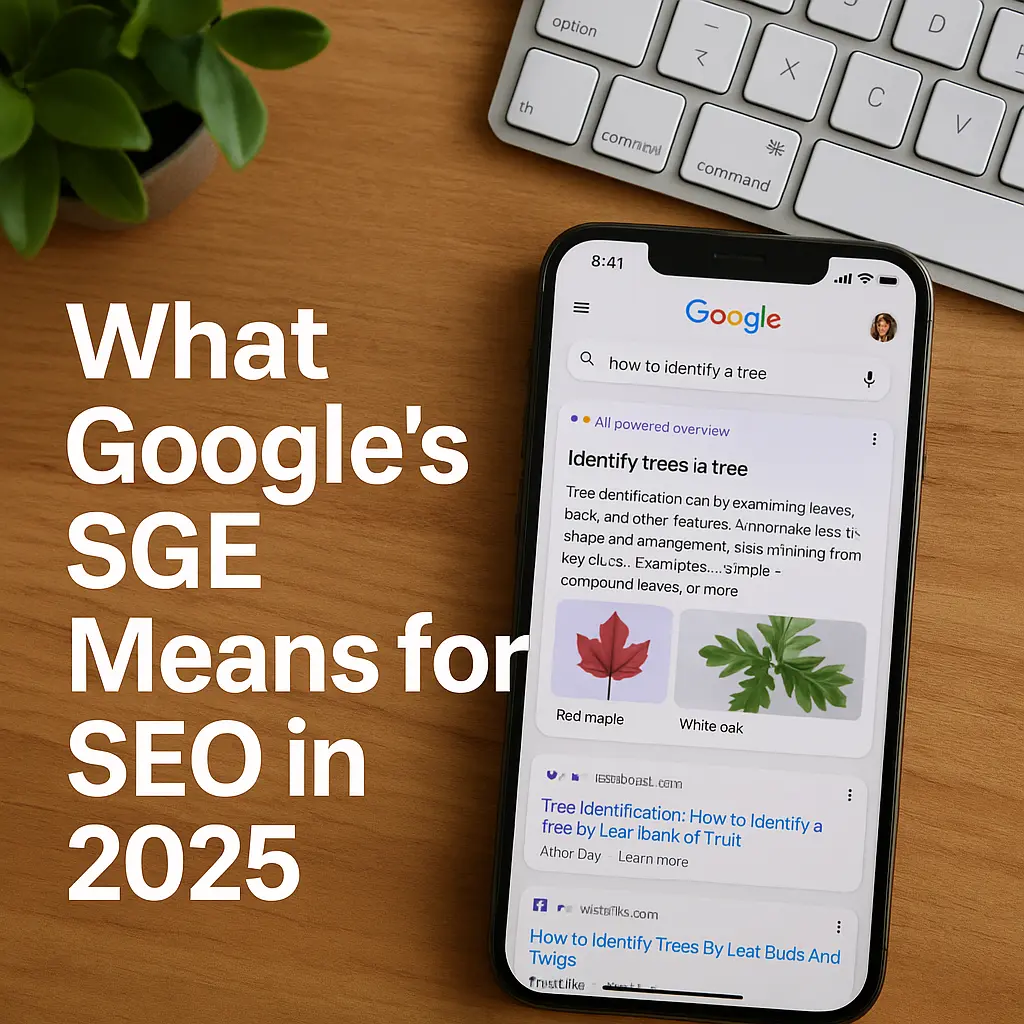

Introduction to AI SEO
In the ever-evolving world of digital marketing, staying ahead of the curve is no longer just an option—it’s a necessity. Search Engine Optimization (SEO) has long been the backbone of online visibility, but traditional methods are being reshaped by a powerful force: Artificial Intelligence (AI). With AI stepping into the realm of search optimization, businesses and marketers are witnessing a seismic shift in how content is created, ranked, and delivered to users.
AI is not just a buzzword; it’s a transformative technology that automates complex tasks, predicts user behavior, and personalizes experiences at scale. This article dives deep into the world of AI SEO, exploring its impact on modern marketing strategies, the tools driving this revolution, and how businesses can adapt to stay competitive in an AI-driven landscape.
As search engines like Google continue to integrate machine learning and generative technologies, understanding and leveraging AI for SEO is becoming essential. Let’s explore how this dynamic duo is paving the way for the future of search optimization.

What is AI SEO?
AI SEO refers to the use of artificial intelligence technologies, such as machine learning, natural language processing (NLP), and predictive analytics, to enhance and automate search engine optimization strategies. Unlike traditional SEO, which relies heavily on manual keyword research and content adjustments, AI SEO leverages data-driven insights to optimize content for both search engines and users.
At its core, AI SEO focuses on understanding user intent, analyzing vast datasets, and delivering hyper-relevant content. By using algorithms to predict trends and behaviors, machine learning SEO takes the guesswork out of optimization, ensuring that content resonates with audiences while adhering to search engine guidelines.
Key Components of AI SEO
- User Intent Analysis: AI tools interpret search queries to understand what users truly want, beyond just keywords.
- Content Optimization: Algorithms suggest improvements to tone, structure, and keywords for better engagement.
- Automation: Routine tasks like keyword research and performance tracking are streamlined with AI.
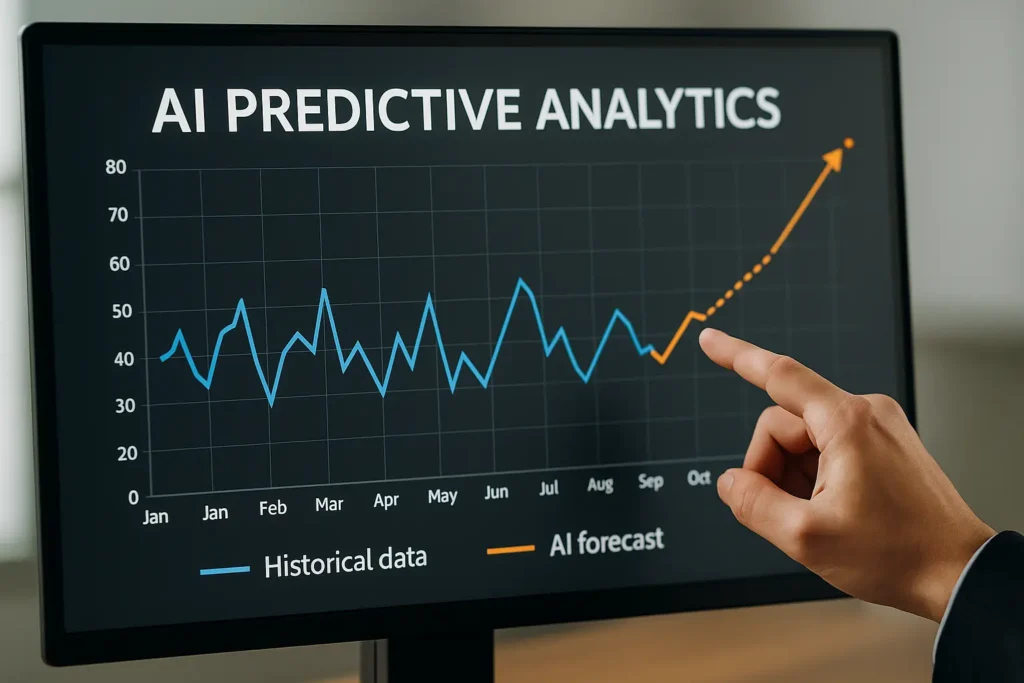
- Predictive Analytics: AI forecasts trends and user behavior to help marketers stay proactive.
How AI Transforms SEO
Artificial Intelligence is revolutionizing SEO by introducing efficiency, precision, and scalability. From content creation to technical optimization, AI is redefining what it means to rank high on search engine result pages (SERPs). Here’s how AI is reshaping the landscape of search optimization with AI.
Automation of Repetitive Tasks
SEO involves numerous repetitive tasks, such as keyword research, link building, and performance analysis. AI automates these processes, allowing marketers to focus on strategy and creativity. For example, AI can analyze thousands of keywords in seconds, identifying high-value opportunities that humans might overlook.
Predictive Analysis for Trends
AI’s ability to analyze historical data and predict future trends is a game-changer. By identifying emerging topics or shifts in user behavior, businesses can create content that aligns with upcoming demands, giving them a competitive edge.
Enhanced User Experience
Search engines like Google prioritize user experience, and AI helps deliver exactly that. By analyzing user interactions, AI tools optimize content for readability, relevance, and engagement, ensuring that visitors stay longer and interact more with a website.
AI-Driven SEO Tools
The rise of AI in SEO has given birth to a suite of powerful tools designed to simplify and enhance optimization efforts. These platforms use machine learning and NLP to provide actionable insights for content creators and marketers. Below are some of the leading tools in the AI SEO space.
Surfer SEO
Surfer SEO is a popular tool that uses AI to analyze top-ranking pages and provide content optimization suggestions. It offers real-time feedback on keyword density, content length, and structure, ensuring that your content aligns with search engine expectations.
Clearscope
Clearscope focuses on content relevance by analyzing top-performing content for any given keyword. Its AI-driven insights help marketers create comprehensive content that answers user queries effectively, improving chances of ranking higher.
MarketMuse
MarketMuse specializes in content strategy, using AI to identify content gaps and recommend topics that can drive traffic. It’s particularly useful for building authority in a niche through well-researched, in-depth articles.
| Tool | Key Feature | Best For |
|---|---|---|
| Surfer SEO | Content Optimization | On-Page SEO |
| Clearscope | Keyword Relevance | Content Creators |
| MarketMuse | Content Gap Analysis | Content Strategists |
For more information on these tools, check their official websites: Surfer SEO, Clearscope, and MarketMuse.
Optimizing Content for AI Algorithms
As search engines evolve, so do the algorithms that power them. Google, for instance, uses AI-driven systems like BERT and RankBrain to understand context and user intent. Optimizing content for these algorithms requires a shift from traditional keyword stuffing to creating meaningful, user-focused content.
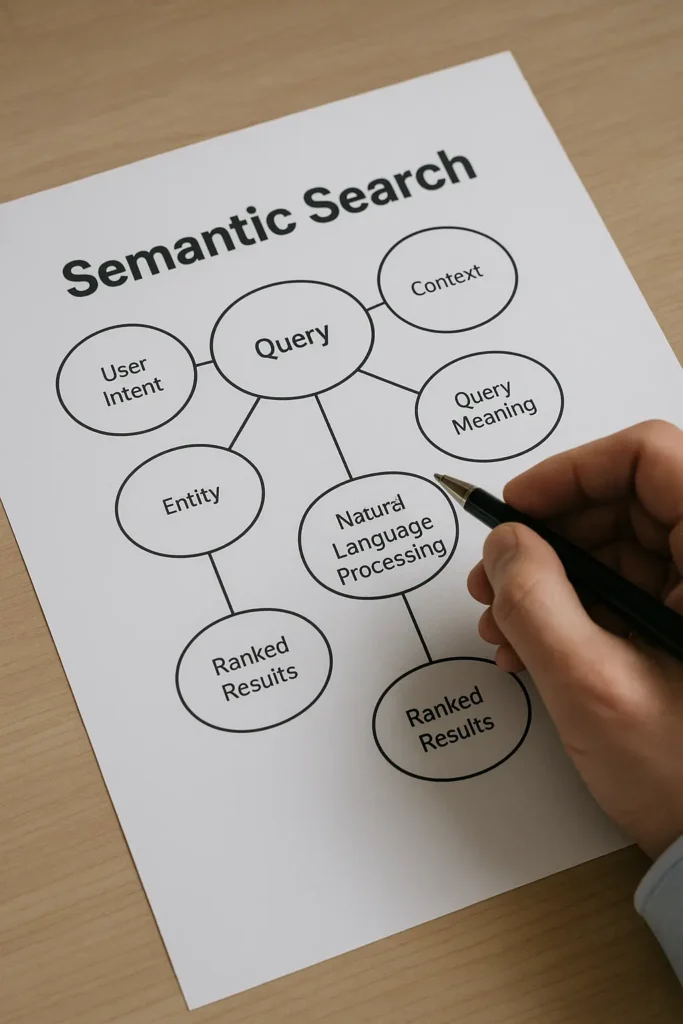
Focus on Semantic Search
AI algorithms prioritize semantic search, which means understanding the context behind a query. Marketers should focus on creating content that answers questions comprehensively, using related terms and concepts rather than repeating exact keywords.
Leverage Structured Data
Structured data helps search engines understand your content better. Using schema markup, businesses can provide clear signals about their pages, improving the chances of appearing in rich snippets or AI-generated summaries.
Prioritize User Intent
AI algorithms aim to match content with user intent. Conducting thorough research to understand what your audience is looking for—whether it’s informational, navigational, or transactional—can help tailor content that ranks higher.
The Future with Google SGE (Search Generative Experience)
Google’s Search Generative Experience (SGE) is set to redefine how search results are displayed and interacted with. Powered by generative AI, SGE provides conversational, summarized answers directly on the SERP, reducing the need for users to click through to websites. This innovation poses both opportunities and challenges for marketers focused on search optimization with AI.
What is Google SGE?
Google SGE uses generative AI to create dynamic, personalized responses to user queries. Instead of a traditional list of links, users might see a detailed summary or an interactive AI response at the top of the results page.
Implications for SEO
With SGE, traditional click-through rates may decline as users get answers without visiting websites. To adapt, marketers must focus on creating content that AI can pull into summaries, such as concise, authoritative answers to common questions.
Strategies to Adapt
- Optimize for Featured Snippets: Structure content to appear as direct answers to queries.
- Create Conversational Content: Use a natural, question-and-answer format that mimics how users interact with AI.
- Build Authority: High-quality, trustworthy content is more likely to be referenced by generative AI tools.
For more on Google SGE, refer to Google’s official announcements on their blog: Google Search Blog.
Challenges of AI SEO
While AI SEO offers immense potential, it also comes with its share of challenges. Understanding these hurdles is crucial for businesses looking to integrate AI into their search optimization strategies.
Data Privacy Concerns
AI relies on vast amounts of data, raising concerns about user privacy. Businesses must ensure compliance with regulations like GDPR and CCPA while using AI tools for personalization and targeting.
Over-Reliance on Technology
AI can streamline processes, but over-reliance on automation risks losing the human touch in content creation. Balancing AI insights with creative storytelling is essential for maintaining authenticity.
Keeping Up with Algorithm Changes
Search engines frequently update their algorithms, and AI tools must adapt quickly. Marketers need to stay informed about these changes to ensure their strategies remain effective.
Best Practices for AI SEO
To harness the full potential of machine learning SEO, businesses should adopt a strategic approach. Here are some best practices to integrate AI into your SEO efforts effectively.
Combine Human Creativity with AI Insights
Use AI for data analysis and optimization, but let human creativity drive storytelling and emotional connection. This hybrid approach ensures content is both optimized and engaging.
Regularly Update Content
AI algorithms prioritize fresh, relevant content. Regularly updating your website with new insights, data, and trends can improve rankings and user trust.
Monitor Performance Metrics
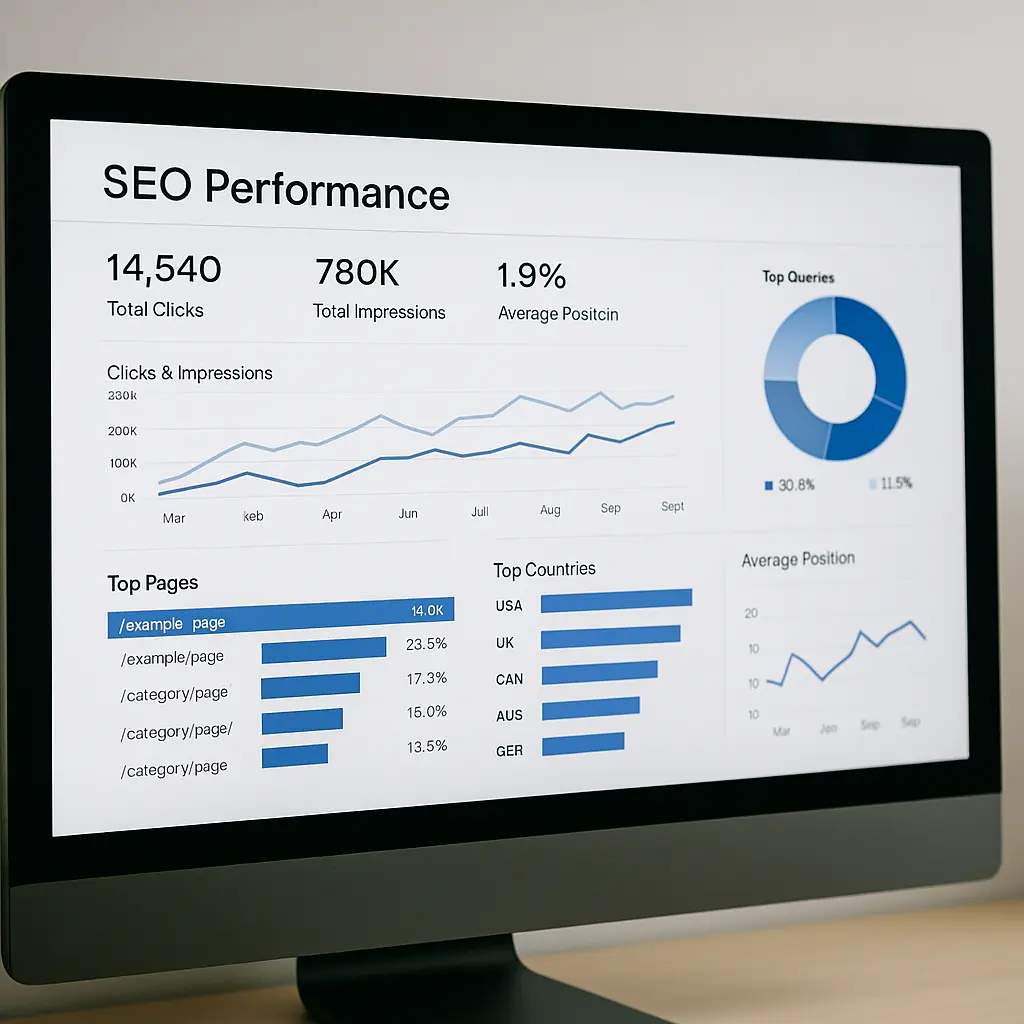
Track key metrics like organic traffic, bounce rates, and conversion rates to measure the impact of AI-driven strategies. Tools like Google Analytics and AI platforms can provide deeper insights into performance.
Invest in Continuous Learning
The field of AI SEO is constantly evolving. Stay updated with industry trends, algorithm updates, and AI tool advancements through webinars, blogs, and courses.
Conclusion: The Future of SEO with AI
The integration of artificial intelligence into search engine optimization marks a pivotal moment for digital marketers. AI SEO is not just a trend—it’s the future of how content will be created, optimized, and ranked. From automating mundane tasks to providing predictive insights, AI empowers businesses to deliver highly relevant, user-focused content at scale.
As innovations like Google SGE continue to shape the search landscape, marketers must adapt.
by embracing AI-driven strategies while maintaining the human element in their storytelling. The tools, such as Surfer SEO, Clearscope, and MarketMuse, discussed in this article, are just the beginning of what’s possible when technology and creativity converge.
Looking ahead, the future of search optimization with AI promises even greater personalization and efficiency. Businesses that invest in understanding and leveraging these technologies today will be best positioned to thrive in tomorrow’s digital ecosystem. The journey of AI in SEO is only just beginning—will you be ready to lead the way?
Ready to start appearing in AI chats? contact us today.
FAQs
How is Google’s RankBrain different from traditional SEO algorithms?
RankBrain is Google’s machine learning AI system that fundamentally differs from traditional algorithms by understanding context and user intent rather than just matching keywords. While traditional algorithms followed programmed rules to rank content, RankBrain continuously learns from user interactions to improve search results.
Launched fully in 2015, RankBrain is considered Google’s third most important ranking factor. According to Google, when experimentally turned off, RankBrain’s replacement suggestions were 10% less effective than RankBrain’s own results.
What makes RankBrain revolutionary is its ability to interpret never-before-seen searches (which make up approximately 15% of Google searches daily) by making connections between words and concepts. For example, it can understand that a search for “gray metal object that sticks to things” likely refers to magnets, even without the keyword present.
What ROI can businesses expect when implementing AI SEO strategies?
The ROI from AI SEO implementation varies by industry and execution, but businesses typically see significant improvements across multiple metrics. According to a 2023 survey by Salesforce, companies using AI for marketing reported an average 40% increase in productivity and a 37% reduction in costs related to content optimization.
In terms of concrete performance metrics, businesses implementing AI SEO tools have reported: 25-75% increases in organic traffic within 6 months; 15-30% improvements in conversion rates due to better content relevance; and 35% reduction in content production time while maintaining or improving quality.
However, it’s important to note that AI SEO requires upfront investment. Enterprise-level AI SEO platforms typically cost between $500-$5,000 monthly, while the full implementation process, including training and integration, can take 2-4 months before showing significant results.
How will AI SEO impact small businesses with limited budgets?
For small businesses, AI SEO represents both opportunities and challenges. On the positive side, AI democratizes access to sophisticated optimization strategies previously available only to large corporations. Several affordable AI SEO tools now exist with pricing starting at $50-100 monthly, making advanced capabilities accessible.
According to a 2023 BrightLocal survey, small businesses using AI SEO tools reported average organic traffic increases of 32% within their first year, despite spending 40% less time on content optimization.
To maximize ROI with limited budgets, small businesses should: Start with hybrid approaches using free AI tools like Google’s Keyword Planner alongside affordable AI writing assistants; focus on highly targeted local SEO strategies where AI can identify neighborhood-specific opportunities; and prioritize quality over quantity, using AI to optimize a smaller number of high-potential content pieces.
Importantly, small businesses often have an advantage in creating authentic, community-focused content that AI can help optimize without losing the personal touch that distinguishes them from larger competitors.
How is AI changing the role of SEO professionals?
The integration of AI is transforming SEO professionals from tactical implementers to strategic directors. According to a 2023 survey by the Content Marketing Institute, 72% of SEO professionals now spend more time on strategy and less on implementation compared to three years ago.
Rather than making SEO professionals obsolete, AI is changing their skill requirements. Today’s successful SEO professionals are developing expertise in: AI tool selection and configuration (76% of agencies now list this as a required skill); data interpretation rather than data collection (with 65% of time now spent analyzing rather than gathering data); and creative direction for AI-generated content (ensuring brand voice consistency and emotional resonance).
Many SEO professionals are upskilling accordingly, with online courses in AI for marketing seeing a 215% enrollment increase since 2021. The average salary for SEO professionals with AI specialization has increased by 27% compared to traditional SEO roles, reflecting the high value of this hybrid skillset.
What ethical concerns should marketers consider when implementing AI SEO?
AI SEO raises several ethical considerations that responsible marketers should address. First, transparency is crucial—70% of consumers in a recent Consumer Reports survey said they want to know when content is AI-generated or AI-optimized. Marketers should consider clear disclosure policies about AI use.
Data privacy presents another concern, as AI systems require significant data to function effectively. With the rise of regulations like GDPR and CCPA, marketers must ensure their AI tools comply with regional data protection laws. Non-compliance penalties can reach up to 4% of annual global revenue under GDPR.
Content authenticity is also at stake. A 2023 Stanford study found that readers were 37% less likely to trust content they discovered was AI-generated without human oversight. This suggests a hybrid approach—using AI for research and optimization while maintaining human creativity and fact-checking—offers the best balance.
Finally, algorithmic bias remains a significant concern. If training data contains biases, AI systems may perpetuate those biases in SEO recommendations. Marketers should regularly audit their AI tools’ outputs for potential bias in language, representation, and topic selection.
How will voice search impact AI SEO strategies?
Voice search is rapidly reshaping AI SEO, with significant implications for content strategy. According to ComScore, voice searches will account for 50% of all searches by 2024, while Google reports that 27% of the global online population already uses voice search on mobile.
Voice queries differ fundamentally from typed searches—they’re typically 3-5 words longer, more conversational, and often phrased as questions. AI SEO tools are now developing specific capabilities to optimize for these patterns, focusing on natural language processing to match conversational queries.
Location-based queries are particularly important for voice search optimization, with “near me” searches growing 150% faster on voice than text. For local businesses, AI tools can now analyze regional speech patterns and colloquialisms to match how locals actually speak about services.
Content structure is also evolving to accommodate voice search, with AI recommending direct question-and-answer formats. Pages optimized for voice using AI recommendations see an average 20% higher selection rate for voice assistant answers, according to a SEMrush study. Feature snippets are especially valuable, as Google selects voice search results from these positions approximately 40% of the time.
What metrics should I track to measure AI SEO success?
Measuring AI SEO success requires tracking both traditional SEO metrics and AI-specific indicators. Beyond standard metrics like organic traffic and rankings, focus on these key performance indicators:
Content relevance scores—tools like MarketMuse and Clearscope provide content relevance scores based on AI analysis of top-performing content. According to SearchMetrics research, pages with high relevance scores outperform competitors by 25-45% in terms of traffic and engagement.
User intent match rate is crucial—track how often visitors find exactly what they’re looking for on your site. AI tools can measure this through advanced bounce rate analysis, with successful AI SEO implementations reducing search abandonment by up to 32% according to a 2023 SEMrush study.
Content velocity metrics matter too—measure how AI impacts your content production efficiency. Companies implementing AI report producing 51% more optimized content with the same resources according to Conductor’s 2023 market research.
Finally, track your featured snippet capture rate, as AI is particularly effective at optimizing for these positions. Sites using AI optimization reported a 35% higher likelihood of winning featured snippets compared to traditional optimization methods in a recent Ahrefs study.